๐Ÿ“ž Call for a Free Quote: 877-308-1630

Smoke & Soot Cleanup in San Diego, CA

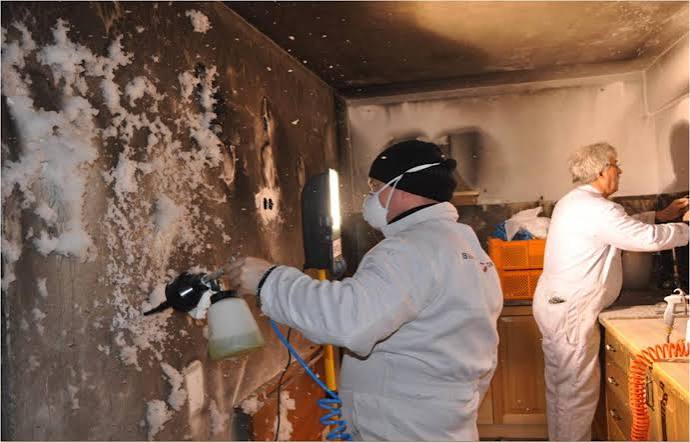
A technician cleaning soot residue off a fire-damaged wall

Soot and smoke residue behave differently depending on what burned and how โ€” dry soot from a wood or paper fire wipes away differently than the oily residue from a kitchen grease fire, and both are acidic enough to keep etching into glass, metal, and painted surfaces the longer they're left untreated. Standard household cleaning products often just smear soot deeper into a surface rather than removing it, which is part of why DIY cleanup after a fire frequently makes the damage worse before a restoration company gets involved.

Our smoke and soot cleaning covers walls, ceilings, trim, and hard surfaces throughout the affected area, using techniques and cleaning agents matched to the type of residue present. HVAC and duct cleaning is a standard part of this process, not an optional add-on โ€” smoke particles that settle inside ductwork keep recirculating through the house every time the system runs, which is one of the most common reasons smoke odor lingers after a fire that otherwise looks cleaned up.

We also address soft surfaces โ€” carpet, upholstery, drapery โ€” either through on-site cleaning or, for items with heavier damage, removal for off-site treatment.

๐Ÿ“ž Call 877-308-1630

Request This Service

* Indicates required field

Why DIY Soot Cleanup Often Backfires

Soot is acidic and fine-particled, and wiping it with a standard household cloth or cleaner tends to smear it into the surface and grind it deeper into porous materials rather than lifting it off. We use dry cleaning sponges, specialized solvents, and technique matched to the surface and soot type to actually remove residue rather than redistribute it.

The Cleaning Process, Start to Finish

We work from the ceiling down and from the room's perimeter inward, since soot that's already loosened during upper-surface cleaning would otherwise fall onto areas already treated. Dry cleaning sponges, made of a specialized rubber compound, lift dry soot off walls and ceilings without smearing it โ€” that step alone resolves a surprising amount of surface residue before any chemical cleaner is introduced. Remaining residue and staining get treated with cleaning agents matched to the soot type, followed by a final wipe and inspection pass under strong lighting, since soot residue can be easy to miss under normal room lighting even after cleaning.

Dry Soot, Wet Soot, and Protein Residue

Not all soot responds to the same treatment. Dry soot, typical of a fast-burning wood or paper fire, is powdery and lifts relatively easily with dry sponging. Wet soot, common in slower-smoldering fires involving synthetic materials like foam or plastics, is sticky and smears if it's approached the wrong way, requiring solvent-based cleaning rather than dry methods. Protein residue โ€” from a kitchen fire involving food or cooking oil โ€” is often invisible or only slightly discolored on light-colored surfaces but has an intense odor, and it typically requires enzyme or degreasing treatments rather than standard soot-removal products.

Where Soot Hides After the Visible Cleanup Looks Done

Behind switch plates and outlet covers, soot frequently settles in the gap between the cover and the wall, a spot most cleaning passes skip entirely. Inside HVAC return vents and ductwork, fine soot particles collect and recirculate every time the system runs, which is one of the most common reasons a room that's been fully cleaned still smells like smoke weeks later. On textured ceilings and popcorn finishes, soot works into the texture in a way that a single pass with a sponge often won't fully clear, particularly in rooms closer to the point of origin.

Cleaning to the IICRC S700 Standard

The IICRC S700 Standard for Fire and Smoke Damage Restoration is the industry reference for how this work is supposed to be scoped and performed โ€” identifying the type of residue present, selecting cleaning methods matched to it, and verifying results rather than declaring a job finished based on appearance alone. Our technicians are trained to that standard, which matters most on jobs where the type of soot isn't obvious at a glance, since a mismatched cleaning method can smear residue into a surface instead of removing it.

What Affects the Cost of Soot and Smoke Cleaning

The type of residue matters โ€” oily, protein-based soot from a kitchen fire generally takes more labor to fully remove than dry soot from a contained wood-fire event. How far smoke traveled through the HVAC system affects scope significantly, since duct cleaning and vent-by-vent inspection add time that a single-room cleanup wouldn't need. Surface material also plays a role: textured ceilings, unsealed wood, and porous materials like unfinished drywall generally take longer to fully clean than smooth painted surfaces or hard flooring.

Why We Address HVAC Ductwork on Nearly Every Job

An HVAC system that ran during or shortly after a fire acts like a distribution network for smoke particles, carrying them into every room the system serves rather than keeping them contained near the point of origin. Cleaning walls and ceilings without addressing the ductwork often means smoke odor returns within days, since the system keeps reintroducing residue every time it cycles on. We treat duct cleaning as a standard part of smoke and soot jobs rather than a separate line item homeowners have to think to request.

A Common Misconception About Soot Cleanup

Homeowners sometimes assume that if a surface looks clean after wiping it down, the job is done โ€” but soot residue can be present at levels that aren't visually obvious, especially on light-textured surfaces, and it continues to be mildly acidic until it's actually removed rather than just smeared thin. A surface that looks clean but wasn't properly treated can keep etching into paint and metal fixtures for months, which is part of why we verify with more than a visual check before calling a room finished.

Verifying the Job Is Actually Finished

Rather than relying on a visual check alone, larger or more heavily affected jobs sometimes call for particulate or surface testing to confirm soot and smoke residue have actually been removed to an acceptable level, not just made invisible to the eye. This kind of verification matters most on jobs where a homeowner or buyer has raised specific concerns, or where a prior cleaning attempt by another party didn't fully resolve the problem. We're upfront about when this extra verification step is genuinely useful versus when a thorough visual and odor check is sufficient for the scope of damage involved.

Areas We Serve

Proudly providing fire damage restoration across the region:

Get Smoke & Soot Cleanup in San Diego Today

Fast response, upfront pricing, and friendly local pros. Call now for a free quote.

๐Ÿ“ž Call 877-308-1630