๐Ÿ“ž Call for a Free Quote: 877-308-1630

Emergency Board-Up & Tarping in San Diego, CA

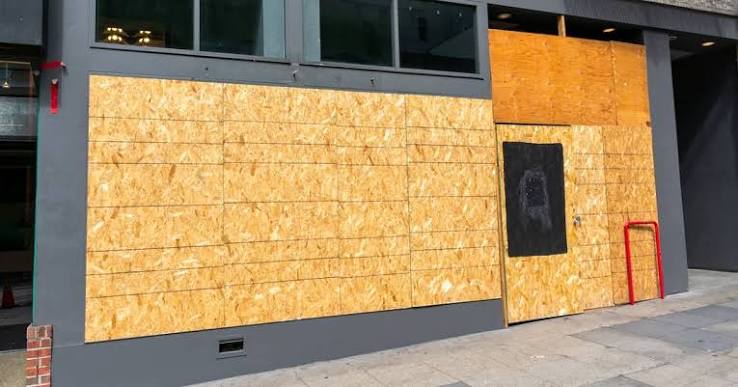
A storefront secured with plywood board-up after fire damage

A fire often leaves windows broken, doors damaged, and sometimes a hole in the roof, which means the property is exposed to weather, animals, and unauthorized entry the moment firefighters clear the scene. Securing the property is usually the very first thing we do on any fire call, often within hours of getting the request, because every day a property sits open is another day of potential additional damage on top of what the fire already caused.

Board-up covers broken windows and damaged door openings with plywood sealed against the elements, and roof tarping provides a temporary weatherproof barrier over any roof damage until permanent repairs can be scheduled. Both are meant as protective measures to stop the damage from getting worse, not a permanent fix โ€” but they buy the time needed to get the insurance claim moving and the rest of the restoration scoped properly.

We're available for emergency board-up and tarping 24/7, since fires don't happen on a schedule and a property left exposed overnight after a fire is a real risk, especially during San Diego's rainy season from December through March.

๐Ÿ“ž Call 877-308-1630

Request This Service

* Indicates required field

Why This Happens Before Anything Else

An unsecured property after a fire is vulnerable to rain damage, theft, and further structural exposure, all of which can complicate an insurance claim if the damage worsens before it's documented. Board-up and tarping stop that clock immediately, which is why it's typically the first call we make on any fire job, day or night.

What Happens During an Emergency Board-Up Call

We start with a quick safety assessment of the property โ€” checking for structural instability, exposed wiring, and any hazard that needs to be flagged before crew members go near a damaged opening. Broken windows and damaged door openings get measured and cut to size with exterior-grade plywood, sealed at the edges against wind and rain rather than just nailed loosely across the opening. Roof damage gets covered with heavy-duty tarping, secured well beyond the damaged area itself since wind can work under a poorly secured tarp edge and tear the whole thing loose. The goal on every call is a property that's genuinely weathertight and secure by the time our crew leaves, not a temporary patch that needs a follow-up visit within days.

More Than Just Windows and Doors

A full board-up and tarping job often covers more than the obvious openings. Damaged chimneys and roof penetrations get sealed to prevent water intrusion through gaps that aren't always visible from the ground. Pool and spa equipment near a fire-damaged structure sometimes needs temporary protection from debris and runoff. And when utilities have been damaged or shut off by the fire department, we coordinate with the appropriate utility company on safe shutoff and eventual restoration, since a property with active gas or electrical hazards needs that resolved before other mitigation work can safely proceed.

Materials Matter More Than People Expect

Not all plywood is equal for this purpose โ€” we use exterior-rated plywood thick enough to resist forced entry and weather exposure over the weeks a board-up sometimes needs to hold, not thin interior-grade sheets that degrade quickly outdoors. Tarps are heavy-duty, UV-resistant material rated for extended exposure, secured with batten strips and fasteners rather than just weighted down, since a loose tarp edge in a Santa Ana wind event can fail within hours rather than holding through the wind season it's meant to survive.

Why Insurance Treats This as Required, Not Optional

Most homeowner policies include a duty to mitigate further loss after a covered event, and prompt board-up and tarping is a textbook example of fulfilling that duty โ€” it's typically a reimbursable cost precisely because it prevents additional, avoidable damage that would otherwise fall on the insurance company to also cover. Skipping or delaying board-up, by contrast, can occasionally complicate a claim if additional damage occurs afterward that a prompt board-up would have prevented, since an adjuster may ask why reasonable steps to secure the property weren't taken.

Board-Up Is Protection, Not Repair

It's worth being clear about what board-up and tarping do and don't accomplish. They stop the immediate bleeding โ€” weather intrusion, unauthorized entry, further exposure โ€” but they aren't a permanent fix for a damaged window, door, or roof section. That distinction matters because a property can sit safely and securely under board-up and tarping for the weeks it sometimes takes to get an insurance claim scoped and reconstruction scheduled, without that delay itself causing additional damage.

San Diego's Weather Windows Matter Here

San Diego's rainy season, roughly December through March, is when a poorly secured tarp or board-up becomes an urgent problem rather than a minor one โ€” even a small gap can let significant water into a structure during a heavy rain event. Santa Ana wind events, more common in fall, put a different kind of stress on tarping, since sustained high winds can work loose fasteners that would hold fine in calm weather. We factor the season into how we secure a property, not just the immediate damage.

A Mistake We See With DIY Board-Up Attempts

Some homeowners try to handle board-up themselves before we arrive, usually with materials on hand rather than what the situation actually calls for โ€” thin plywood, tape, or tarps not rated for sustained wind exposure. The intent is understandable, but a board-up that fails within a day or two often means the property sat exposed anyway during the time it took to notice and fix, sometimes leading to worse water or entry damage than if the property had simply waited a few hours for a properly equipped crew.

Coordinating With Fire Investigators Before Securing the Scene

When a fire's cause isn't immediately obvious, a fire investigator or the fire marshal's office may need to examine the scene before anything is disturbed, which can affect the timing and approach of board-up work. We coordinate with whoever has jurisdiction over the investigation to make sure securing the property doesn't interfere with evidence collection, particularly in cases where cause and origin will matter for an insurance claim or, in rarer cases, a legal proceeding. In most residential fires this step is quick and doesn't meaningfully delay board-up, but it's a coordination step we don't skip.

Board-Up for Rental and Multi-Unit Properties

A fire in a rental unit or multi-unit building adds landlord obligations on top of the standard mitigation steps โ€” securing the affected unit, but also assessing whether adjoining units need protection or tenant notification if shared walls, attic space, or utilities were involved. We work directly with property owners and managers on this, since a landlord's insurance and liability considerations after a fire are different from a single-family homeowner's, and board-up scope sometimes needs to account for common areas as well as the unit itself.

Areas We Serve

Proudly providing fire damage restoration across the region:

Get Emergency Board-Up & Tarping in San Diego Today

Fast response, upfront pricing, and friendly local pros. Call now for a free quote.

๐Ÿ“ž Call 877-308-1630