Home › Services › Fire Damage Reconstruction & Rebuild
Fire Damage Reconstruction & Rebuild in San Diego, CA
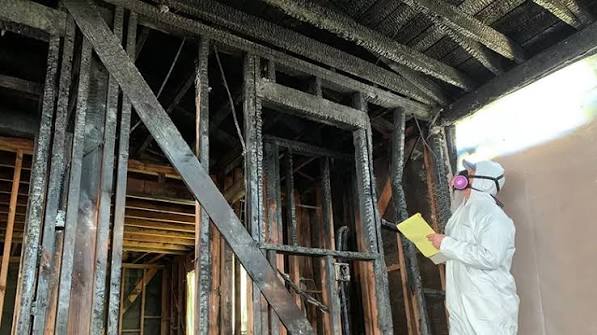
Once mitigation, cleaning, and drying are complete, some fire damage isn't something that cleans up — burned framing, ruined drywall, damaged flooring, and destroyed cabinetry or fixtures need to be rebuilt, not restored. Handling reconstruction as part of the same project as the mitigation and cleaning work means one company managing the job from the first emergency call through the final walkthrough, instead of handing the project off to a separate contractor who has to start over understanding the damage.
Our reconstruction scope ranges from replacing a single damaged wall section to full room rebuilds, depending on what the fire actually took. We work from the same documentation used for the insurance claim, which keeps the rebuild scope aligned with what's actually been approved rather than creating a gap between what the insurance company authorized and what the contractor plans to do.
We permit and inspect reconstruction work through the City of San Diego or the relevant local jurisdiction as required, so the finished rebuild is code-compliant, not just visually repaired.
📞 Call 877-308-1630
Request This Service
* Indicates required field
One Company, Start to Finish
Managing mitigation, cleaning, and reconstruction as one continuous project avoids the common problem of a restoration company handing off to a general contractor who has to re-assess the damage from scratch, often leading to scope disagreements and delays. We carry the project and the documentation through the whole process.
How a Rebuild Actually Progresses
Reconstruction starts with a structural assessment — sometimes involving a structural engineer, when load-bearing elements were affected — to determine exactly what needs to be rebuilt versus what can be repaired in place. From there we pull permits with the relevant jurisdiction, since fire-damage reconstruction of this scope almost always requires them. Framing repair or replacement comes first, followed by rough-in work (electrical, plumbing, HVAC as needed), inspections at each stage, insulation, drywall, and finally finish work — flooring, paint, cabinetry, and fixtures — that brings the space back to a livable, code-compliant condition.
The Range of What 'Reconstruction' Actually Covers
Some jobs are narrow — replacing one section of burned wall framing and the drywall around it. Others involve a full room rebuild: framing, subfloor, electrical, insulation, drywall, and finish work for an entire kitchen or bedroom that fire, smoke, or water damage destroyed. On the larger end, a home with extensive structural fire damage can mean rebuilding multiple rooms or a significant portion of the structure, which starts to resemble a full renovation project more than a repair. We scope each job to what the actual damage requires rather than a standard package.
Code Upgrades a Rebuild Can Trigger
Rebuilding to current code sometimes means more than restoring what was there before. Electrical work often needs to meet current code even if the original wiring predates it, which can mean upgraded outlets, GFCI or AFCI protection, or panel work beyond what was fire-damaged. Energy code requirements under California's Title 24 can apply to reconstructed exterior walls, windows, and insulation depending on scope. And in designated wildfire hazard zones, Chapter 7A wildland-urban interface standards can apply to rebuilt exterior components like vents, siding, and roofing. We flag which of these apply to your specific project as early as possible, since they affect both cost and timeline.
Insurance and Rebuild Costs: ACV vs. RCV
Most policies pay reconstruction costs either at actual cash value (ACV, which factors in depreciation) or replacement cost value (RCV, which doesn't), and many RCV policies pay the depreciated ACV amount up front, holding back the depreciation difference until the rebuild is actually completed and documented. That structure means cash flow during a rebuild sometimes requires more coordination with your carrier than homeowners expect, which is part of why we document completed work in stages rather than waiting until the very end to submit everything at once.
Matching Materials and Finish Disputes
One of the more common friction points in a rebuild is matching new materials to what wasn't damaged — flooring, cabinetry, or trim that's no longer manufactured, or a slight color or texture mismatch between old and new finish work in an area that wasn't fully replaced. We flag likely matching issues during the estimate phase rather than after materials are ordered, and where an exact match genuinely isn't possible, we document that clearly so it isn't a surprise dispute with the adjuster later in the project.
Permitting and Inspection Along the Way
We pull permits and schedule inspections through the City of San Diego or the relevant local jurisdiction at each required stage — framing, electrical and plumbing rough-in, insulation, and final — rather than treating permitting as a formality to catch up on later. Skipping or rushing this process risks a rebuild that looks finished but isn't legally signed off, which can create real problems at resale or with a future insurance claim if the work is ever found to be unpermitted.
A Common Misconception About Rebuild Timelines
Homeowners sometimes expect reconstruction to move at the pace of a home renovation show — weeks, not months. In practice, permitting alone can take several weeks depending on jurisdiction and scope, and that's before framing, inspections, and finish work even begin. A realistic full-room rebuild timeline usually runs six weeks to several months depending on scope, and we'd rather give an honest range upfront than a fast estimate that then slips repeatedly.
Temporary Living Arrangements During a Longer Rebuild
When reconstruction displaces a family for an extended period, most homeowner policies include additional living expense (ALE) coverage that helps pay for temporary housing, storage, and related costs while the home is unlivable. That coverage typically has its own limits and documentation requirements, separate from the dwelling and contents portions of the claim, and keeping receipts and a clear record of the displacement period matters for getting reimbursed. We're not the ones who manage the ALE claim directly, but our project timeline estimates are often what a homeowner needs to plan temporary housing realistically rather than guessing at how long they'll be out of the home.
Choosing Materials That Reduce Future Risk
A rebuild is also a reasonable moment to make small, fire-conscious material choices that don't meaningfully change the budget but can matter later — Type X fire-rated drywall in certain wall and ceiling assemblies, for instance, is often code-required in specific locations like garages and can be a sensible choice elsewhere even where it isn't mandated. We flag these kinds of decisions during the estimate phase, since a rebuild is a much easier time to incorporate them than trying to retrofit a finished space afterward.
Areas We Serve
Proudly providing fire damage restoration across the region:
- San Diego, CA
- Poway, CA
- Escondido, CA
- Ramona, CA
- El Cajon, CA
- La Mesa, CA
- Santee, CA
- Lakeside, CA
- Alpine, CA
- Rancho Bernardo, CA
- Encinitas, CA
- Vista, CA
Get Fire Damage Reconstruction & Rebuild in San Diego Today
Fast response, upfront pricing, and friendly local pros. Call now for a free quote.
📞 Call 877-308-1630