๐Ÿ“ž Call for a Free Quote: 877-308-1630

House Fire Restoration in San Diego, CA

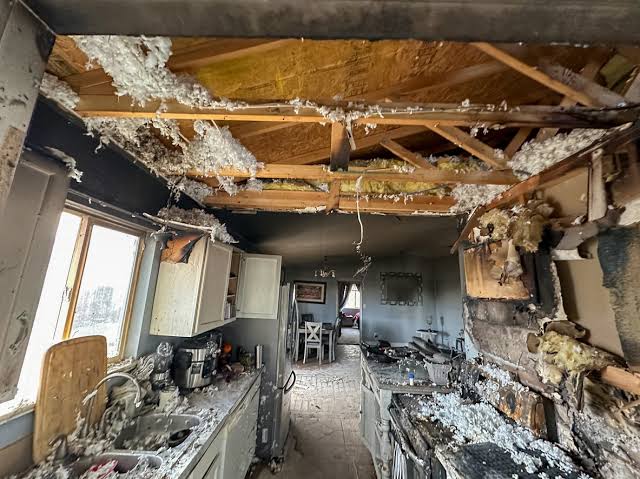
A home kitchen with fire damage exposing the ceiling insulation and burned framing

A house fire, even a relatively contained one, rarely stays contained to just the room it started in. Smoke travels through ductwork and settles on surfaces throughout the home, and the water used to put the fire out soaks into flooring, drywall, and insulation well beyond the burned area. What looks like damage to one room is usually a whole-house restoration job once smoke, soot, and water are all accounted for.

We start with emergency services within hours of the call โ€” securing the property with board-up and roof tarping if needed, extracting standing water, and setting up drying equipment to get ahead of mold before it starts. From there, we assess and document every affected area for the insurance claim, then move into the cleaning phase: soot and smoke removal from walls, ceilings, and hard surfaces, HVAC system cleaning so smoke odor doesn't keep recirculating, and contents cleaning for furniture, electronics, and belongings that can be salvaged.

For damage severe enough to require rebuilding โ€” burned framing, ruined drywall, damaged flooring โ€” we handle reconstruction as part of the same job, so you're not managing a separate contractor relationship on top of the restoration work.

๐Ÿ“ž Call 877-308-1630

Request This Service

* Indicates required field

What's Included

Emergency board-up and tarping, water extraction and structural drying, smoke and soot cleaning, HVAC and duct cleaning, contents cleaning and pack-out, odor removal, and reconstruction โ€” coordinated as one project from first call to final walkthrough.

Working With Your Insurance Adjuster

We document damage thoroughly with photos and detailed scope notes from the first visit, and we're used to working directly with adjusters to move claims along. A well-documented claim from day one tends to move faster and get approved for the full scope of actual damage, rather than a partial scope that leaves gaps.

How the Restoration Process Actually Unfolds

The first visit is an assessment, not cleanup โ€” a technician walks the property with a moisture meter and a flashlight, checking not just the burned room but the attic, adjoining walls, and HVAC returns for smoke travel. From there we set priorities: anything actively getting worse (standing water, an open roof, exposed framing) gets addressed same-day, while cleaning and contents work get scheduled once the property is stable. Mitigation โ€” extraction, drying, board-up โ€” usually runs a few days to a week. Cleaning and odor treatment follow once the structure is dry, since cleaning smoke residue on damp surfaces just spreads it around. Reconstruction, when needed, is the final phase and the one insurance approval usually gates.

Equipment Behind the Scenes

Most of what makes a fire restoration job work isn't visible in a before-and-after photo. Moisture meters and thermal imaging cameras find wet framing and insulation that look dry to the eye. Negative air machines and HEPA-filtered air scrubbers keep soot particles and demolition dust from spreading to unaffected rooms during cleanup. Industrial dehumidifiers and axial air movers do the actual drying work once water is extracted. For odor, thermal foggers and ozone generators reach into wall cavities and ductwork that a mop or vacuum never touches. None of this is optional add-on equipment โ€” it's the standard kit for a job done to the IICRC S700 fire restoration standard.

Signs of Hidden Fire and Smoke Damage

The damage you can see is rarely the whole story. Discolored or warped drywall near an outlet or light fixture can mean heat traveled through a wall cavity well past the visible burn. A lingering smoky smell in a room that looks untouched usually means soot particles settled inside the HVAC system and keep recirculating every time the fan runs. Musty odor combined with soft or spongy flooring points to water that migrated further than the visible wet area. We check attics, crawlspaces, and behind outlet covers on every job specifically because homeowners โ€” understandably โ€” don't think to look there first.

What Affects Cost and Insurance Approval

Two house fires that look similar from the street can have very different price tags once the actual scope is known. How far smoke traveled through the HVAC system, whether water sat long enough to reach subfloor and framing, and whether reconstruction involves load-bearing walls all move the number significantly. Older homes with original wiring or plumbing sometimes trigger code-upgrade requirements during rebuild that a policy may or may not fully cover โ€” that's worth flagging with your adjuster early rather than discovering it mid-project. We write our scope in Xactimate, the same estimating software most carriers use, so pricing conversations with your insurance company are grounded in a shared reference rather than two different sets of numbers.

Mistakes We See Homeowners Make Before We Arrive

The most common one is trying to clean soot with household cleaners or a shop vacuum before a professional assessment โ€” soot is acidic and abrasive, and rubbing it with a rag typically grinds it deeper into paint, drywall, and fabric rather than lifting it off. Turning the HVAC system back on to 'air the place out' is another one that backfires, since it actively redistributes settled soot to rooms that were otherwise clean. And waiting on cleanup until the insurance claim is fully approved lets water damage and soot etching get worse every day โ€” most policies actually require reasonable steps to prevent further loss, and a documented emergency mitigation call supports that requirement rather than working against it.

House Fire Restoration FAQs

How long does a full house fire restoration usually take?

A contained fire with mostly mitigation and cleaning work can wrap up in a couple of weeks. Once framing, drywall, or flooring needs to be rebuilt, timelines usually run from six weeks to several months depending on how much of the home was affected and how quickly the insurance claim is approved.

Can I stay in my home while restoration work is happening?

Sometimes. If the fire was isolated to one room or area and the rest of the home is structurally sound and free of smoke odor, we can often work around a family staying in unaffected parts of the house. Whole-house smoke damage, active drying equipment, or reconstruction involving load-bearing framing usually means temporary relocation is safer.

What's the actual difference between mitigation and restoration?

Mitigation is the emergency work that stops damage from getting worse โ€” board-up, water extraction, and drying, usually started within hours of the fire. Restoration is everything after that: the cleaning, contents work, and reconstruction that brings the home back to pre-fire condition. We treat them as one continuous project rather than two separate jobs.

Areas We Serve

Proudly providing fire damage restoration across the region:

Get House Fire Restoration in San Diego Today

Fast response, upfront pricing, and friendly local pros. Call now for a free quote.

๐Ÿ“ž Call 877-308-1630