๐Ÿ“ž Call for a Free Quote: 877-308-1630

Electrical Fire Restoration in San Diego, CA

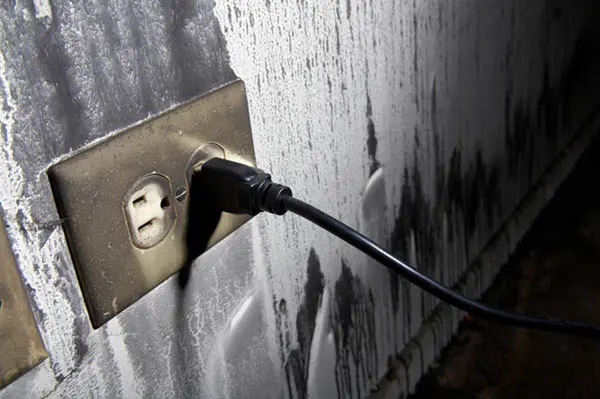
A scorched electrical outlet with soot damage spreading up the wall

Electrical fires often start inside walls or attic spaces before becoming visible, which means the smoke and heat damage frequently extends well beyond what's obvious from the burned outlet, panel, or fixture that started it. San Diego has a lot of housing stock from the 1950s through 1970s with original wiring that wasn't built for the electrical load of modern homes, and we see electrical fires disproportionately in older neighborhoods for exactly that reason.

Because electrical fires often start hidden inside a wall cavity, our assessment includes checking for smoke damage that traveled through the wall and attic space before the fire became visible โ€” areas a homeowner wouldn't necessarily think to check. We coordinate with a licensed electrician as part of the restoration when wiring itself needs to be assessed or replaced, since restoring the visible fire damage without addressing an underlying wiring problem just sets up a repeat incident.

From there, the restoration follows the same process as any fire job: soot and smoke cleaning, odor removal, and reconstruction of any damaged framing, drywall, or insulation.

๐Ÿ“ž Call 877-308-1630

Request This Service

* Indicates required field

Older San Diego Homes and Electrical Risk

Homes built before the 1980s in neighborhoods like North Park, South Park, and Normal Heights often still have portions of original wiring, sometimes without the grounding and capacity that modern electrical codes require. That's not a reason to panic, but it's part of why we flag electrical assessment as a standard step in these restoration jobs rather than an optional add-on.

How We Investigate an Electrical Fire

Because these fires often start inside a wall, floor, or attic space, our assessment goes past the visibly burned outlet, switch, or panel. We use thermal imaging to trace heat signatures along wiring runs and check the attic space above and the wall cavity below the point of origin for smoke staining that shows how far damage actually traveled. We also look at the electrical panel itself โ€” a fire that started at one outlet sometimes reveals a broader wiring or overload problem once a licensed electrician inspects the circuit. That electrician assessment happens before we finalize scope, since restoring drywall and paint over an unresolved wiring issue just resets the clock on a repeat fire.

Why Electrical Fires Are More Common in Older San Diego Homes

Homes built before the 1980s in neighborhoods like North Park, South Park, and Normal Heights were wired for a fraction of the electrical load a modern household draws โ€” think window units and a single television versus central air, multiple computers, and a kitchen full of countertop appliances. Aluminum branch wiring, common in homes built in the late 1960s and 1970s before it fell out of favor, is also more prone to loose connections and overheating at outlets and switches than copper. None of that means an older home is guaranteed to have a problem, but it's part of why we treat an electrician's wiring evaluation as a standard step on electrical fire jobs in these neighborhoods rather than an optional add-on.

Signs of Hidden Damage Behind Walls

Warm or discolored outlet covers away from the fire's origin point can indicate heat traveled along a shared circuit. A breaker that keeps tripping after the visible fire damage is cleaned up usually means an underlying wiring issue wasn't fully resolved. Scorching on the back side of drywall โ€” visible only once a section is opened for repair โ€” often extends well past what showed through to the painted surface, which is one reason we don't finalize a repair scope until framing is actually exposed.

Insurance Considerations Specific to Electrical Fires

Most homeowner policies cover fire damage regardless of cause, including an electrical fire caused by aging wiring, but the wiring repair or replacement itself sometimes falls into a gray area depending on whether it's framed as fire damage repair or a pre-existing maintenance issue. We document the fire's path and the electrician's findings together so the claim reflects that the wiring failure and the fire damage are part of one event, not two separate issues โ€” that framing matters for how much of the electrical work actually gets covered.

Rebuilding After an Electrical Fire

Once the electrician has assessed and, where needed, replaced or repaired the affected wiring, reconstruction follows the same process as any other fire job โ€” framing repair, drywall, insulation, paint, and any finish work the fire destroyed. Because we coordinate the electrical work and the reconstruction as one project, the rebuilt wall isn't closed up until the electrical inspection has actually signed off on what's inside it, which avoids the problem of drywall going back up over wiring work that still needs a permit inspection.

A Common Misconception Worth Addressing

Many homeowners assume that because the visible fire stayed at one outlet or fixture, the damage did too. Electrical fires frequently smolder inside a wall or attic cavity before ever becoming visible flame, which means smoke and heat exposure can extend several feet โ€” sometimes into an adjoining room โ€” before the fire is even noticed. Treating an electrical fire as a small, contained event without checking the full path it may have traveled is one of the more common ways real damage gets missed on these jobs.

Preventing a Repeat Electrical Fire

Restoring the visible damage without addressing why the fire started in the first place is how homes end up with a second electrical fire years later. Depending on what the electrician finds, prevention can mean anything from replacing a single faulty circuit to a broader panel upgrade or, in homes with extensive original wiring, a recommendation for whole-house rewiring. Arc-fault circuit interrupter (AFCI) breakers, now standard in most new construction, detect the kind of arcing that causes many electrical fires and are worth discussing as part of any electrical fire rebuild, even where they're not strictly required by code for the specific circuit being repaired.

Whole-Panel Replacement vs. Single-Circuit Repair

Not every electrical fire calls for the same scale of electrical work. A fire traced to a single overloaded circuit or a failed outlet connection often only requires repairing that circuit and the immediately affected wiring. But when an electrician finds the panel itself undersized, outdated, or showing signs of broader deterioration โ€” common in homes with original 1960s-70s panels โ€” a full panel replacement is usually the more responsible fix, even though it's a larger scope than the fire damage alone would suggest. We rely on the electrician's assessment rather than defaulting to the smaller, cheaper repair when the underlying system doesn't support it.

Areas We Serve

Proudly providing fire damage restoration across the region:

Get Electrical Fire Restoration in San Diego Today

Fast response, upfront pricing, and friendly local pros. Call now for a free quote.

๐Ÿ“ž Call 877-308-1630