๐Ÿ“ž Call for a Free Quote: 877-308-1630

Commercial Fire Damage Restoration in San Diego, CA

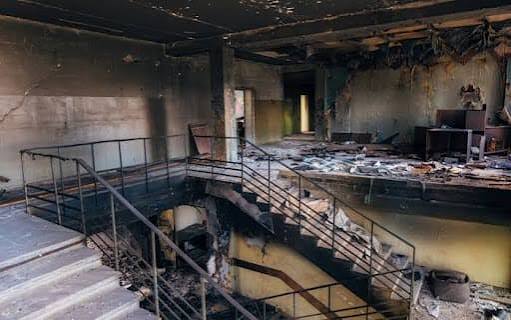
A fire-damaged commercial interior stairwell and office space

A fire at a business is a different kind of urgent than a fire at a home โ€” every day a restaurant, retail store, or office stays closed is lost revenue on top of the physical damage, and commercial spaces often have equipment, inventory, and specialized systems that residential restoration doesn't typically deal with. We approach commercial jobs with that timeline pressure built in, prioritizing whatever gets the business back open safely as fast as the actual damage allows.

Restaurant kitchen fires are among the most common commercial fire calls we get, and they usually involve grease-based soot across a much larger area than a residential kitchen, along with commercial ventilation systems and equipment that need specific cleaning and assessment. Retail and office fires more often center on smoke and water damage affecting inventory, fixtures, and finish work rather than grease-heavy soot.

We work with commercial property insurance and can coordinate around business operations where partial occupancy is possible during restoration, rather than defaulting to a full closure when only part of the space actually needs work.

๐Ÿ“ž Call 877-308-1630

Request This Service

* Indicates required field

Getting Back Open Faster

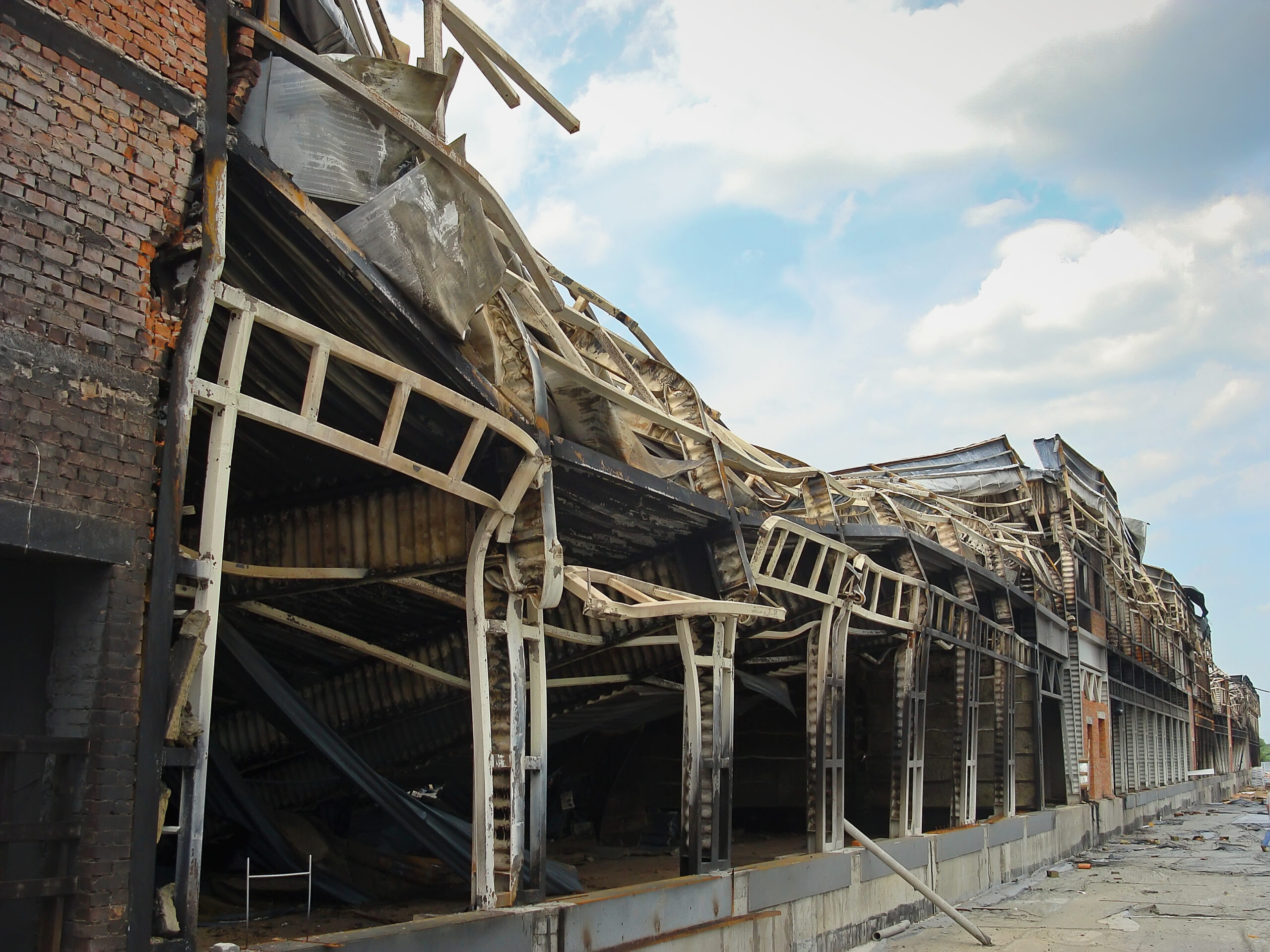
A commercial warehouse structure with its roof collapsed from fire damage

We scope commercial jobs to separate what needs full remediation from what can reopen sooner, and we're upfront about realistic timelines rather than overpromising a reopening date that then slips. For businesses where partial occupancy is possible, we plan work to minimize disruption to the parts of the space that are still operational.

How We Scope and Sequence a Commercial Job

Commercial properties rarely need every square foot treated the same way, so we start by dividing the space into zones โ€” areas with direct fire damage, areas with smoke-only exposure, and areas that are functionally unaffected โ€” and sequence work to get the least-damaged, most business-critical zones back in usable condition first. That phased approach is what makes partial reopening possible in many cases, rather than defaulting to a full closure until every corner of the property is finished. We coordinate that sequencing directly with the business owner or property manager, since which areas matter most for reopening varies a lot by business type.

Equipment Scaled for Larger Spaces

Commercial-scale drying and cleaning generally calls for more capacity than a residential job โ€” larger desiccant dehumidifiers for high-volume spaces like warehouses or open-plan offices, industrial air scrubbers to manage air quality across a bigger footprint during demolition and cleaning, and, for restaurant spaces, specialized degreasing equipment for commercial kitchen hoods, ducts, and suppression systems that see far more grease buildup than a residential kitchen ever would.

Restaurant Fires Come With Their Own Requirements

A commercial kitchen fire almost always involves the hood, duct, and fire suppression system, which need inspection and, in most jurisdictions, recertification by a licensed fire suppression company before the kitchen can legally reopen โ€” that's a separate process from our restoration scope, and we coordinate scheduling around it rather than treating it as an afterthought. Grease buildup in commercial ductwork is heavier and more extensive than residential systems, which usually means a more involved cleaning process, and health department reinspection is often required before food service can resume.

Retail and Office Fires Bring Different Priorities

Where restaurant fires center on grease and suppression systems, retail and office fires more often center on inventory, fixtures, and document recovery. Smoke and water damage to merchandise needs fast assessment, since inventory sitting in a smoke-damaged environment continues absorbing odor the longer it's left in place. Paper records and files get the same fragile-item treatment we use on residential document recovery โ€” careful handling and, where needed, off-site drying and cleaning rather than attempting to salvage them in place.

Business Interruption and Insurance

Commercial property policies frequently include business interruption coverage, which reimburses lost income during the time a business can't operate due to covered damage โ€” but that coverage typically requires documentation of both the closure period and the income that was actually lost, which is a different kind of paperwork than a standard property damage claim. We can't handle the income-loss documentation itself, but our restoration timeline estimates and phased-reopening plans are often exactly what a business's accountant or insurance broker needs to support that part of the claim.

Getting Sign-Off to Reopen

Reopening a commercial space after a fire usually isn't just a matter of finishing the restoration work โ€” depending on the business type, it can require sign-off from the fire marshal, health department, or building inspector before customers or employees are legally allowed back in. We build that reality into our project timelines rather than promising a reopening date based purely on when our own work will be finished, since a business that reopens before required inspections are complete risks a shutdown order that undoes the whole point of rushing.

A Common Misconception About Commercial Fires

Business owners sometimes assume a fire in one part of a commercial space means the whole business has to close until everything is finished. In practice, a well-sequenced restoration plan can often get an unaffected wing, floor, or section reopened well before the fire-damaged area is complete, provided that section is genuinely safe, code-compliant, and separated from active work. We're upfront when that's not realistic for a given layout, but it's worth asking about rather than assuming a full closure is the only option.

Vendor Requirements in Multi-Tenant and Managed Properties

Commercial landlords and property management companies often have their own vendor requirements before any contractor can work on-site โ€” proof of general liability and workers' compensation insurance, IICRC certification, and sometimes a formal vendor application process that has to clear before a crew is allowed past the lobby. In a multi-tenant building, we also coordinate with property management on shared-space access, since fire or smoke damage in one unit can affect shared hallways, elevators, or HVAC risers that serve other tenants who aren't part of the original claim at all. Getting that coordination right up front avoids delays that have nothing to do with the actual restoration work.

Scheduling Work Around Business Hours

For businesses that can partially operate during restoration, we schedule the noisiest, most disruptive work โ€” demolition, heavy equipment operation, odor treatment requiring vacancy โ€” for after hours or weekends where possible, so operating hours aren't interrupted more than necessary. That kind of scheduling takes more coordination than a straightforward nine-to-five job, but it's often the difference between a business absorbing manageable disruption and one losing meaningful revenue during restoration. We map out that schedule with the business owner before work begins rather than adjusting on the fly.

Areas We Serve

Proudly providing fire damage restoration across the region:

Get Commercial Fire Damage Restoration in San Diego Today

Fast response, upfront pricing, and friendly local pros. Call now for a free quote.

๐Ÿ“ž Call 877-308-1630